
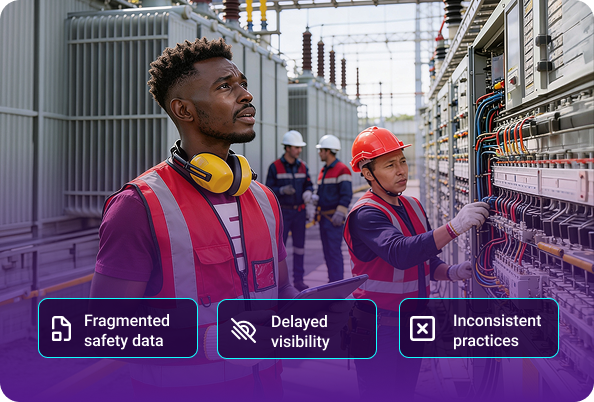
Fragmented safety data, delayed visibility, and inconsistent practices leave risks unchecked, exposing frontline workers to serious incidents when insights are siloed, training is uneven, or responses lag making predictive, proactive safety essential.

Integrate workers, processes, and safety data.

Identify risks before they materialize.

Drive informed, real-time safety decisions.
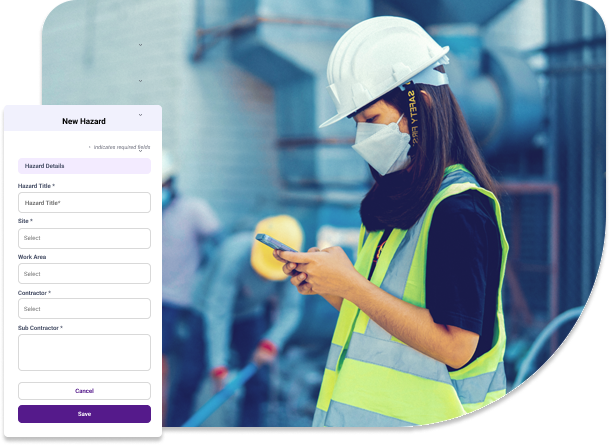
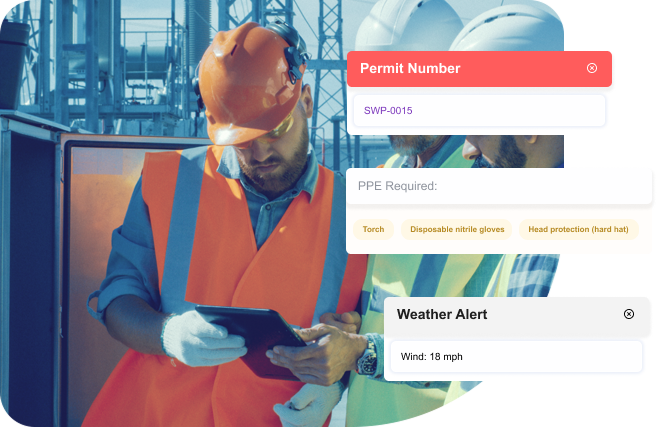
With RhythmGo™, turn every mobile device into a real-time worker workspace, connecting tasks, safety checks, training, and alerts in one seamless experience, keeping workers informed, compliant, and in control on every job.
SafeOps™ connects frontline workers, processes, and safety controls in real time. Using predictive insights and closed-loop accountability, it transforms safety from a checklist into a continuous system that prevents incidents and drives measurable performance.
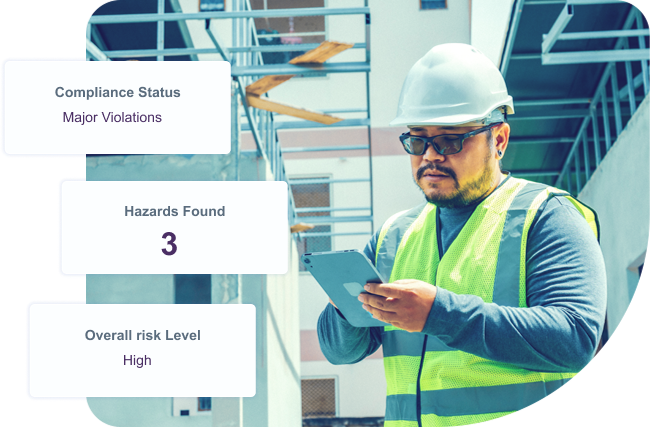
Capture or upload a photo! RhythmEYE™ instantly detects hazards, unsafe conditions, and emerging risks, turning every image into actionable insight and prevention opportunity.
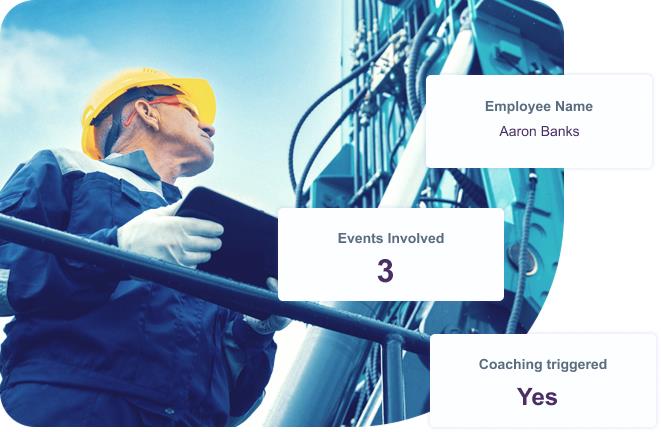
Rhythm enables supervisors with AI-enabled coaching insights to take the right action at the right time reinforcing safe behaviors, strengthening skills, and driving smarter, safer decisions.

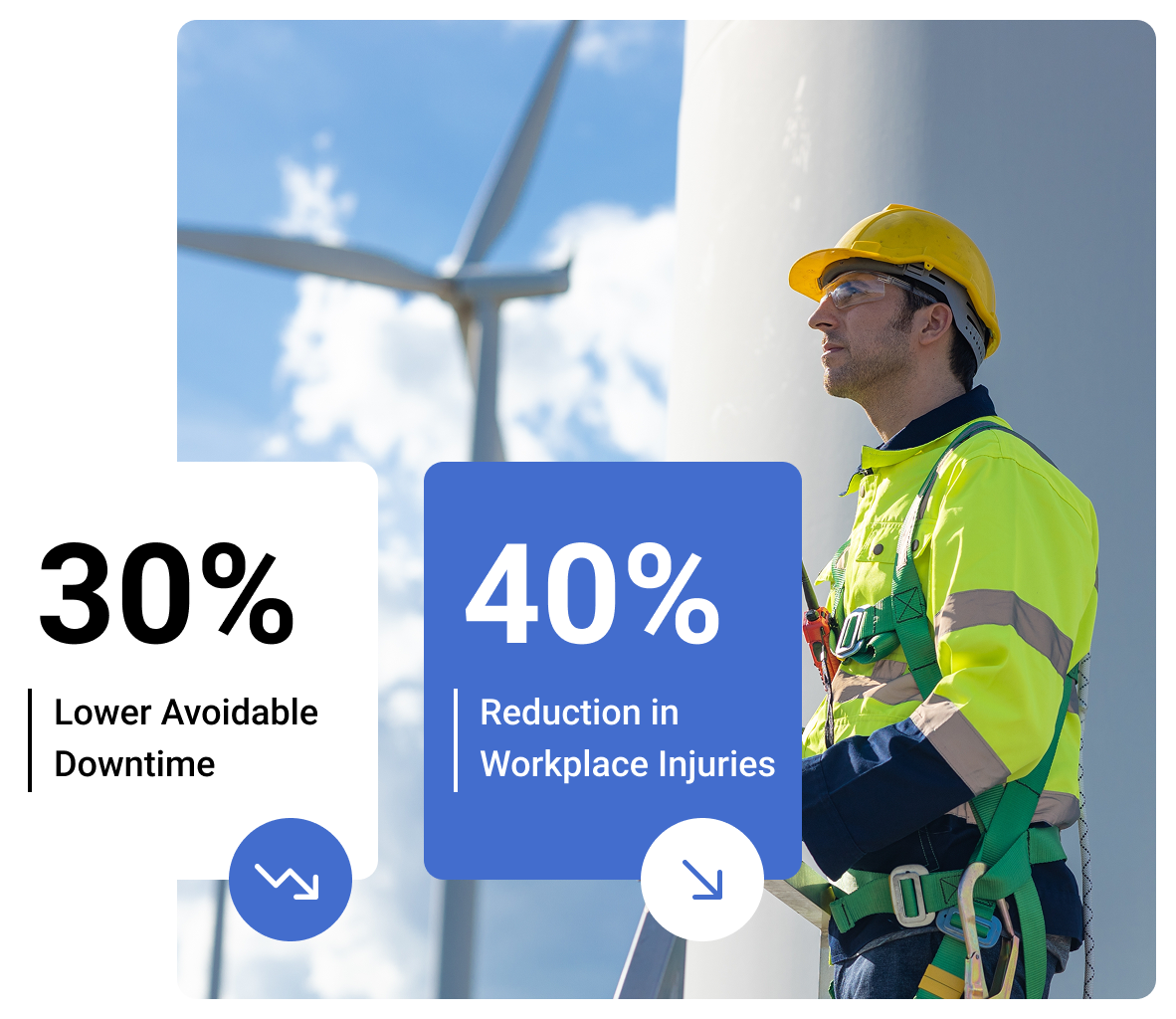
Organizations using proactive safety management reduce incidents by 40%, creating safer, more resilient workplaces.

Ensuring every task begins with the intelligence to prevent harm before it happens.

Predictive analytics and streamlined maintenance practices cut disruptions, boosting productivity and asset performance.

Frontline worker safety refers to the programs, processes, technologies, and controls organizations use to protect employees who perform work in the field, on job sites, in facilities, or in operational environments. Effective frontline worker safety programs help reduce incidents, improve compliance, and create safer working conditions for employees exposed to operational risks.
Worker safety management is the process of identifying, assessing, monitoring, and controlling workplace risks to prevent injuries, illnesses, and serious incidents. It typically includes safety policies, training, inspections, incident management, corrective actions, compliance oversight, and continuous improvement initiatives.
Organizations can improve worker safety by identifying risks early, strengthening safety culture, improving training and communication, increasing supervisor accountability, and implementing proactive safety management practices.
Worker readiness is the process of confirming that an employee is qualified, trained, authorized, and prepared to safely perform assigned work. Worker readiness programs help organizations ensure workers meet operational, training, certification, and compliance requirements before beginning a task or shift.
Safety management systems improve safety by providing a structured framework for identifying hazards, managing risk, tracking compliance, investigating incidents, and implementing corrective actions.
Serious Injury and Fatality (SIF) prevention is a proactive approach to identifying and addressing the hazards, exposures, and behaviors most likely to result in life-altering injuries or fatalities.